
Italy · Puglia · Bari · Alberobello · Matera · Lecce · 10 min read
Puglia itinerary 7 days: Bari, Alberobello, Matera, Lecce and Salento
7 days · 12 cities
Duration
7 days
Estimated budget
€ 700 to 1,100 per person, no flights
Best time to go
May, June and September
Visa
Schengen: 90 days visa free for many
This Puglia itinerary 7 days drives down the heel of Italy’s boot, from Bari to Lecce, with Matera on the way. The choice that shapes it is four bases, Bari, Alberobello, Matera and Lecce, so you never spend more than an hour and a half in the car.
In short: Bari Vecchia, Polignano and the trulli, Matera, Ostuni and Lecce, Otranto and Salento, Gallipoli and the flight from Brindisi. Visa, season and food are at the end.
Day 1: Bari Vecchia, the Basilica of San Nicola and the orecchiette street
Basilica of San Nicola: the relics of Saint Nicholas

Forty five minutes, free. After check-in, walk into Bari Vecchia, the medieval quarter on the peninsula. The Romanesque basilica was built at the end of the 11th century to hold the bones of Saint Nicholas, brought from Myra, in today’s Turkey, by Bari sailors in 1087. Go down to the crypt: it is a Catholic and Orthodox pilgrimage site, and you will see Russian and Greek worshippers praying side by side.
Arco Basso: the orecchiette street

Forty five minutes, 400 metres from the basilica. On Strada Arco Basso, the neighbourhood women make orecchiette by hand at tables outside their doors and sell it for € 5 to € 7 a kilo. It is busiest in the morning until early afternoon and quieter on Sundays; if you find the tables empty, come back on Day 2 before you hit the road.
End the day at the Castello Normanno-Svevo, five minutes away, and have dinner in Bari Vecchia, home to the focaccia bakeries and raw seafood trattorias.
Day 2: Polignano a Mare, Monopoli and the trulli of Alberobello
Lama Monachile: the Polignano a Mare cove

An hour and a half, free. It is 35 km down the coast from Bari. The pebble cove between the cliffs, spanned by a Roman bridge of the Via Traiana, is Puglia’s most famous view. Go down to the water, then climb to the old town via the Lungomare viewpoints, where the statue of Domenico Modugno stands; he was born here and sang Volare.
Monopoli: the old harbour of blue boats

An hour and fifteen minutes, free, 10 km on. Monopoli’s old town is less crowded than Polignano’s and has a harbour of blue fishing boats, the gozzi, at the foot of the palaces. Walk the sea wall to the castle of Charles V at the tip, and have lunch here before heading inland.
Rione Monti: the trulli district

An hour and a half, free, after checking in to Alberobello, 30 minutes from Monopoli. Rione Monti has more than a thousand trulli, dry stone houses with conical roofs, many painted with white symbols. Most are now shops: go into the ones that show the interior and climb onto a rooftop terrace to see the cones from above. Late in the afternoon, when the tours leave, the district changes completely.
Trullo Sovrano: the only two storey trullo

Half an hour, € 2.50, on the other side of the centre in the Aia Piccola district. Built in the 18th century by a family of priests, it is the only trullo with two floors and is now a museum, with the kitchen, bedrooms and inner staircase as they were.
Day 3: Matera, the Casa Grotta and sunset on the Murgia
Casa Grotta di Vico Solitario: life in the Sassi

One hour, € 5. Leave Alberobello at 8 am: it is 1 hour 15 to Matera, across the border in Basilicata. Park outside the centre and walk down into Sasso Caveoso. The Casa Grotta is a cave house furnished as it was until 1952, when the government moved residents out of the Sassi because of the poverty: the family, the mule and the hens slept in the same room.
Madonna de Idris: the church on the rock

Half an hour, entry with the rock churches ticket, 30 metres away. The little church sits on top of Monterrone, the outcrop in the middle of Sasso Caveoso, and the crypt of San Giovanni holds medieval frescoes. The terrace in front looks over both Sassi. Check in and have lunch; in the afternoon, go into Palombaro Lungo, the giant underground cistern beneath the main square.
Belvedere di Murgia Timone: the Sassi across the ravine

An hour and a half, free. The viewpoint is on the Murgia plateau, facing the town: 15 minutes by car, or a trail that drops into the ravine and crosses the rope bridge over the Gravina river, about an hour, in sturdy shoes only. Arrive before sunset, when the Sassi stone turns gold and the lights come on.
Day 4: Locorotondo, the white town of Ostuni and Lecce baroque
Locorotondo: the round town of the Itria Valley

Forty five minutes, free. Leave Matera at 8:15 am: it is 1 hour 15 to Locorotondo. The old town is a circle of white alleys with flowered balconies and cummerse, houses with pointed roofs. From the Villa Comunale viewpoint, trulli are scattered across the valley among vineyards and olive groves.
Ostuni: the white town and its cathedral

An hour and a half, 35 minutes from Locorotondo. Ostuni is entirely whitewashed, on a hill looking over the sea and ancient olive groves. Climb the alleys to the 15th century Gothic cathedral at the top, with its 24 spoke rose window. Have lunch here: Lecce is an hour away.
Basilica of Santa Croce: Lecce baroque

One hour, € 9 with the ticket that includes the Duomo and the Seminary. After check-in, start with the basilica that sums up Lecce: the local limestone, soft to carve and golden in the sun, became a parade of animals, fruit, angels and atlantes on the façade. Then continue to Piazza del Duomo, 300 metres away, enclosed like a courtyard.
Roman amphitheatre in Piazza Sant’Oronzo

Half an hour, free to view from above. In the middle of the main square, the 2nd century amphitheatre was found in the 1930s during building work; only a third is exposed, the rest is still under the buildings. At night the square fills up: it is the place for your first caffè leccese.
Day 5: the Otranto mosaic and Grotta della Poesia
Otranto Cathedral: the tree of life mosaic

Two and a half hours, free in the cathedral, 45 minutes from Lecce. The whole floor of the Norman cathedral is a mosaic made from 1163 to 1165 by the monk Pantaleone: a tree of life with Adam and Eve, King Arthur, Alexander the Great, elephants and the months of the year. In a side chapel are the skulls of the 813 martyrs killed by the Ottomans in 1480. Then walk the walls to the Castello Aragonese and the harbour.
Grotta della Poesia: the natural pool from the edge

An hour and fifteen minutes, 25 minutes north of Otranto at Roca Vecchia. A collapsed cave forms a pool of turquoise water linked to the sea by a tunnel. Swimming is banned to protect the rock and the edge is fenced; from 19 July to the end of September 2026 access is controlled, with a € 5 ticket. Next door is the Messapian archaeological site of Roca Vecchia. To swim, continue 5 km to the coves at Torre dell’Orso.
Day 6: the Galatina frescoes and sunset in Gallipoli
Santa Caterina d’Alessandria: the frescoes of Galatina

One hour, free, open 9 am to 12 pm and 3:30 to 6:30 pm. It is 25 minutes from Lecce. Outside, a plain Gothic church; inside, every wall and vault painted in the late 14th century by masters of the Giotto and Siena schools, with Genesis, the life of Christ and an Apocalypse full of monsters. On the way out, try a pasticciotto in the town that claims to have invented it.
Gallipoli: the island old town and Purità beach

Four hours, free, 40 minutes from Galatina. Gallipoli’s old town sits on an island joined to the mainland by a bridge, ringed by walls above the Ionian Sea. Walk the walls, step into the baroque cathedral of Sant’Agata and go down to Purità beach, right against the walls, for a swim. Stay for sunset, which here drops into the sea, and eat fish before driving back to Lecce.
Day 7: Lecce underground at Museo Faggiano, Porta Napoli and the flight
Museo Faggiano: 2,000 years under a house

One hour, € 5, open 9:30 am to 8 pm. In 2001 the owner wanted to fix the plumbing and found, layer by layer, Messapian tombs, Roman cisterns, a medieval crypt and a convent. The house is now a museum, with glass floors over the digs and a tower with views over Lecce’s rooftops.
Porta Napoli: the arch of Charles V

Twenty minutes, free, 800 metres away. The 1548 triumphal arch honours Emperor Charles V and marked the town’s exit towards Naples. From here it is 40 minutes to Brindisi airport: return the car with two hours to spare before your flight.
Do you need a visa for Italy?
Italy is in the Schengen Area. Citizens of the United States, Canada, the United Kingdom, Australia and many other countries do not need a visa for stays of up to 90 days in any 180, with a passport valid for at least three months after departure.
ETIAS, the European Union’s electronic travel authorisation for visa exempt visitors, is expected to start in the last quarter of 2026: check the official site before you fly.
What is the best time to visit Puglia?
May, June and September: the sea is warm enough to swim, days are long and there are fewer people than in July and August, when Salento beaches are packed and prices double. April and October work well for towns and the countryside, with a cooler sea.
In winter many beach hotels and restaurants close, but Bari, Matera and Lecce stay open and quiet.
How to get to Puglia and how to get around by car
Fly into Bari, usually connecting through Rome, Milan or another European hub, and leave from Brindisi airport so you do not drive back. Pick up the car at Bari airport from Day 2 and drop it in Brindisi.
Watch out for ZTLs, the limited traffic zones in the old towns of Bari, Polignano, Ostuni and Lecce: cameras fine anyone who enters without a permit. Park outside and walk. Without a car, Trenitalia and Ferrovie del Sud Est trains link Bari with Polignano, Monopoli, Alberobello and Lecce.
Where to eat in Puglia: traditional dishes to try
Puglia eats bread, pasta and greens like few places in Italy. The region’s dish is orecchiette con cime di rapa, little ear shaped pasta with turnip greens, garlic, chilli and anchovy; in Bari Vecchia you watch the women making it in the street on Day 1.

To eat on the go, focaccia barese is thick, made with potato in the dough, topped with tomato and olives and sold by the slice in the Bari Vecchia bakeries near the Basilica of San Nicola. At night, the snack is the panzerotto, a fried turnover of tomato and mozzarella.


Try burrata from Andria, mozzarella filled with cream and curd strands, ideally on the day it was made, and in the Itria Valley the bombette, little pork rolls with cheese grilled at butcher shops with a grill, the fornelli pronti of Cisternino and Locorotondo.

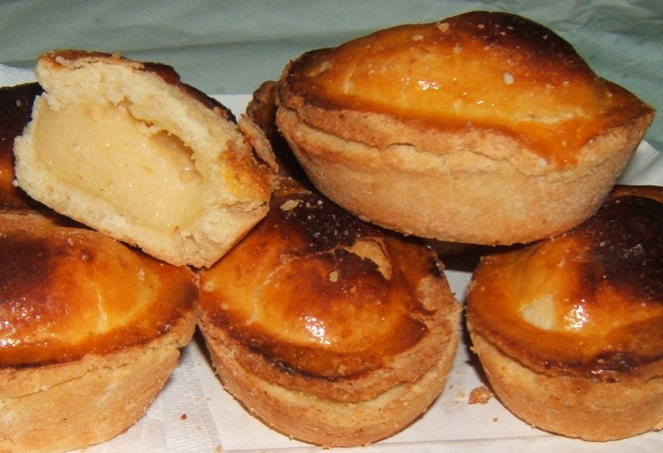
In Lecce, breakfast is a pasticciotto, a short pastry tart filled with custard, warm, with a caffè leccese, espresso over ice with almond milk. Avoid the restaurants with laminated menus in five languages facing Lama Monachile in Polignano: eat two streets back.
Are 7 days enough for Puglia?
They are enough for the centre and south of the region, with Matera as a bonus, without changing hotel every night. What is left out needs more days: the Gargano and the Foresta Umbra in the north; Castel del Monte, Frederick II’s octagonal castle; the Castellana caves; and Santa Maria di Leuca, the tip of the heel.
To continue through southern Italy, see the 6 day Sicily itinerary. For the north, the 7 day Veneto itinerary.
Estimated budget per person
Prices checked on 07 October 2026. Check current prices at Trullo Sovrano, Alberobello · Casa Grotta di Vico Solitario, Matera · Chiese di Lecce, Santa Croce and Duomo tickets · Museo Faggiano, Lecce.
Frequently asked questions
How much does a 7 day trip to Puglia cost?+
Between € 700 and € 1,100 per person, without flights, sharing a double room and a rental car: hotels in Bari, Alberobello, Matera and Lecce, food and tickets, which add up to € 25 to € 35. Return flights from North America, into Bari and out of Brindisi with one stop, usually cost US$ 700 to US$ 1,300.
Do you need a car in Puglia?+
For this itinerary, yes. Trains link Bari with Polignano, Monopoli, Alberobello and Lecce, but Matera, Locorotondo, Ostuni, Otranto and Grotta della Poesia are much easier by car. Watch out for ZTLs, limited traffic zones in the old towns: entering without a permit triggers an automatic camera fine, which the rental company forwards months later.
Can you swim at Grotta della Poesia?+
Not any more. Swimming is banned to protect the cave and the edge is fenced; you visit from above. From late July to the end of September 2026 access is controlled, with a € 5 ticket. To swim, continue to the coves at Torre dell’Orso, a few kilometres away.
Is it worth sleeping in a trullo in Alberobello?+
Yes, for one night. Many trulli in Rione Monti and Aia Piccola are now guesthouses, with the bedroom under the stone cone. Staying there lets you see the district before and after the tour buses, which fill the streets from mid morning to late afternoon.
Is Matera in Puglia?+
No, it is in Basilicata, the neighbouring region, but 1 hour 15 from Alberobello and an hour from Bari, which is why almost every Puglia itinerary includes it. The Sassi, the cave dwellings, have been a UNESCO World Heritage Site since 1993.
Ready to go?
Save this itinerary to your Galmund and take the schedule, map and budget with you. Edit, share and track it all on the globe.
Save this itinerary to my GalmundBeen there already?
Pin this trip on your globe and keep your photos where they were taken.
Pin it on my globe