
Santiago de Chile · Valparaíso · Viña del Mar · Maipo Valley · 9 min read
Santiago de Chile 5-Day Itinerary: Downtown, Valparaíso and Wine Country
5 days · 4 cities
Duration
5 days
Estimated budget
US$ 900-1,500 per person, 5 days
Best time to go
Mar-May or Sep-Nov (autumn/spring)
Visa
No visa needed (ID card or passport).
This Santiago de Chile 5 day itinerary combines city, wine, coast and mountains, one per day, from a single hotel. The metro covers almost everything and, at 520 m, there is no altitude to worry about.
In short: historic center and La Moneda, a day trip to Valparaíso and Viña del Mar, Bellavista and San Cristóbal Hill, Maipo wineries and Bicentenario Park before your flight.
Day 1: Historic Center and La Moneda Palace
La Moneda Palace

About 800 meters on foot from Plaza de Armas, La Moneda Palace has been the seat of the Chilean government since the early 19th century, originally built as a colonial mint. The changing of the presidential guard happens every other day in the inner courtyard, and the civic square in front of the palace often hosts free cultural events and performances.
The underground La Moneda Cultural Center, with a separate entrance, runs temporary art exhibitions that are free most days, worth checking the schedule before heading over.
Plaza de Armas and Metropolitan Cathedral

Plaza de Armas has been Santiago's founding point since 1541, surrounded by the Metropolitan Cathedral, the Central Post Office and the National History Museum. The cathedral, with a neoclassical facade and baroque interior, is the seat of the Archdiocese of Santiago and holds one of Chile's richest silver altars.
The square is also where street performers, traditional shoeshiners and roasted peanut vendors gather, a good snapshot of downtown Chilean life in the late afternoon. Set aside about an hour here before walking to the next stop.
Santa Lucía Hill

A short staircase climb leads to the top of this volcanic-origin hill right in the middle of downtown, with fountains, gardens and a replica medieval castle built in the 19th century. It's a quick 15 to 20 minute stop, but the lookout at the top delivers one of the best views over downtown Santiago with the Andes in the background, especially near late afternoon.
Day 2: Valparaíso and Viña del Mar
Valparaíso
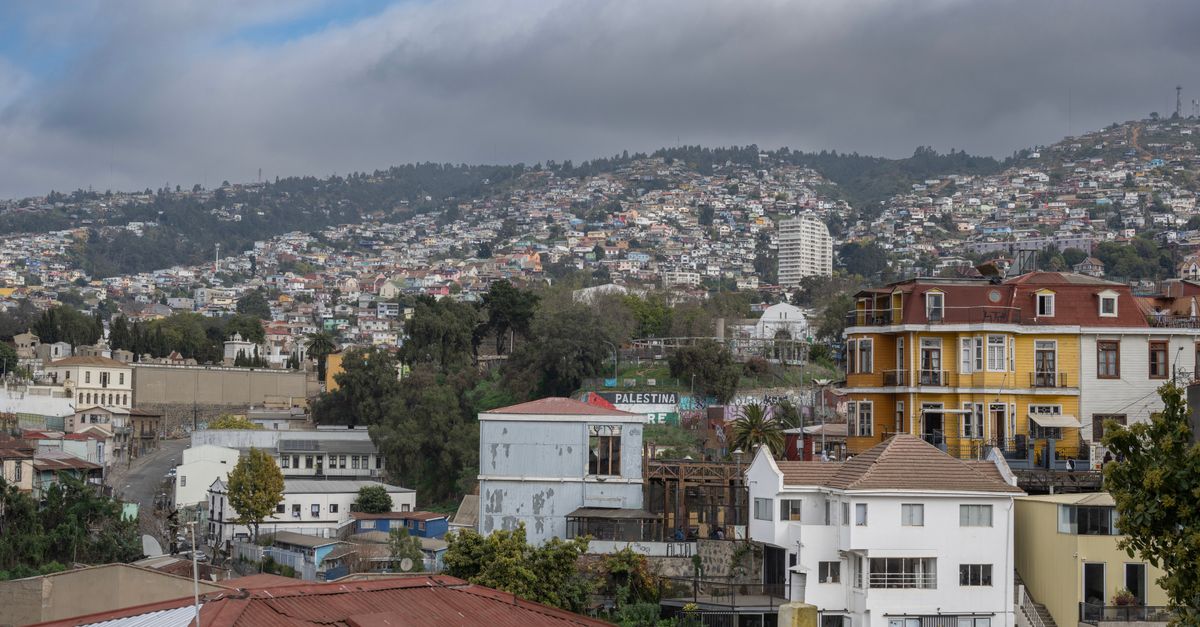
Valparaíso is about an hour and a half by car or bus from Santiago and has been a UNESCO World Heritage Site since 2003, thanks to its hills covered in colorful houses and zigzagging streets. Century-old funiculars, like the Concepción and Reina Victoria lifts, are the traditional way up Cerro Concepción and Cerro Alegre, now filled with street art, cafés and informal viewpoints tucked between the houses.
It's worth spending the whole morning walking these two hills without rushing. Those who want more can round it off at La Sebastiana House Museum, one of Pablo Neruda's three houses in Chile, with a bay view from the fourth floor where the poet used to write, a short walk from the main circuit.
Viña del Mar

About 15 minutes from Valparaíso, Viña del Mar is Chile's most traditional beach town, with urban beaches, tall buildings along the shore and the Flower Clock, a working clock from 1962 planted with live flowers, built for a World Cup. Castillo Wulff and the Presidential Castle, two early 20th-century seaside mansions, round off an easy stroll along the waterfront.
The afternoon works well here before heading back to Santiago: the promenade is flat and easy to walk, with seafood options cheaper than in Santiago, given how close it sits to the fishing port.
Day 3: Bellavista, San Cristóbal Hill and Lastarria
San Cristóbal Hill
San Cristóbal Hill is Santiago's second-tallest hill and its most complete lookout point, surrounded by Metropolitan Park and topped by a 14-meter statue of the Immaculate Virgin, raised in 1908. The funicular that climbs from the Bellavista neighborhood takes about 8 minutes and is the most traditional way up, though a cable car from Pedro de Valdivia Norte also runs.
On clear days, the view from the top stretches to the snow-capped Andes behind the entire city. Set aside at least two hours counting the funicular line, the ride up and time at the viewpoint.
Bellavista neighborhood
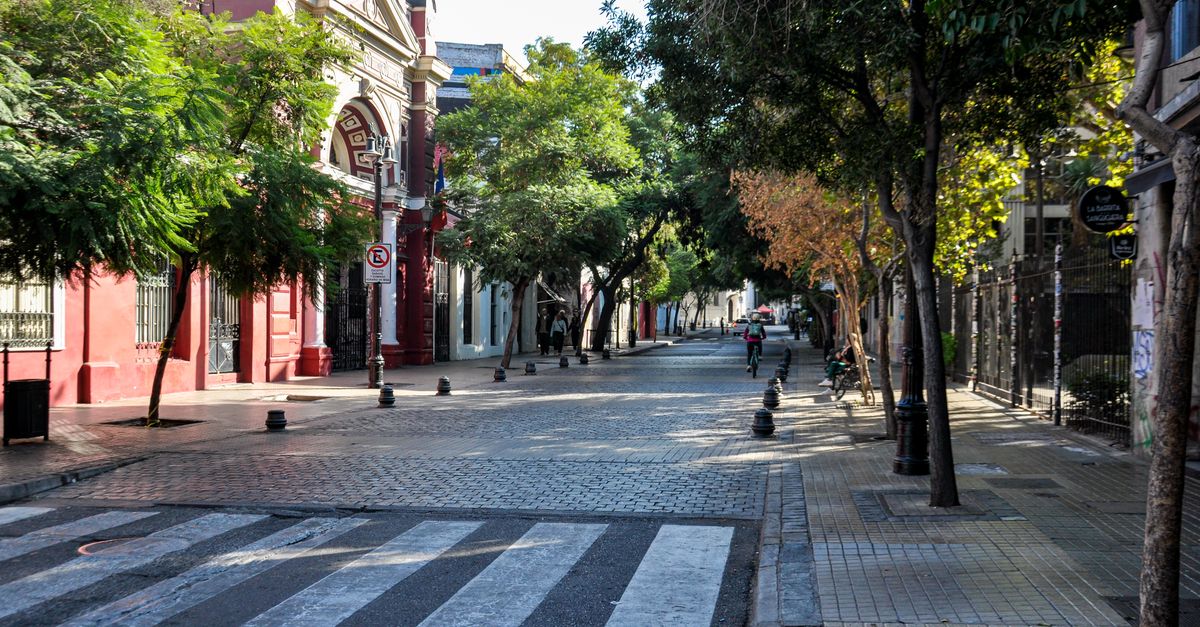
Bellavista is the bohemian neighborhood at the base of San Cristóbal Hill, with rows of old houses painted in bold colors, murals and the city's biggest concentration of casual bars and restaurants. It's also home to La Chascona, the house Pablo Neruda built for his wife Matilde Urrutia, now a museum with gardens spread across different levels and objects the poet collected on his travels.
It's worth wandering Constitución and Dardignac streets, the heart of the neighborhood, before or after visiting La Chascona.
Lastarria neighborhood and Fine Arts Museum
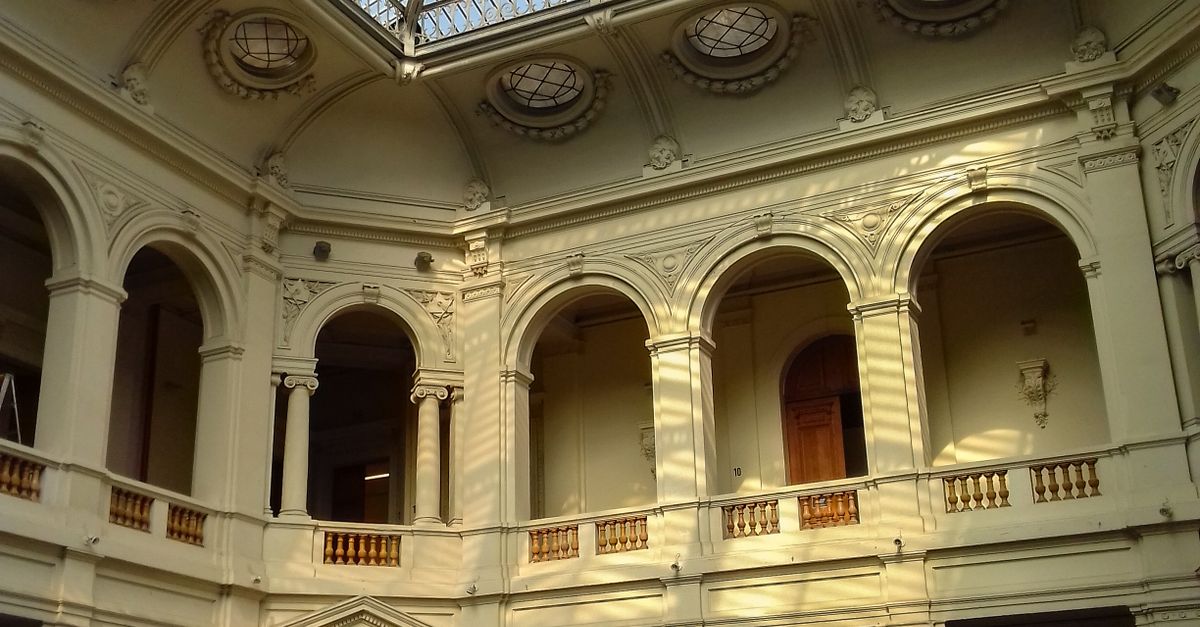
Lastarria is a small, culturally dense neighborhood, home to the National Museum of Fine Arts, with a neoclassical facade, columns and a glass dome, running since 1910 inside Forestal Park. A quick look at the facade and the surrounding bookshops and cafés fits into 20 to 30 minutes between other stops of the day.
Municipal Theatre

A short walk from Lastarria and Plaza de Armas, the Municipal Theatre of Santiago has been Chile's main opera and ballet house since 1857, with a classic facade worth a photo even without catching a show. A quick 10 to 15 minute stop on the way between neighborhoods.
Day 4: Maipo Valley and Sky Costanera
Maipo Valley: wineries

The Maipo Valley is the closest wine region to Santiago, about 40 minutes from downtown, internationally known for its Cabernet Sauvignon. Traditional wineries like Concha y Toro, in Pirque, run guided tours through their historic cellars and the Casa del Diablo, tasting included, with no need for your own car since most tours arrange transport straight from downtown.
A half-day tour, including transport, the visit and tasting, usually runs 3 to 4 hours, leaving the afternoon free for the rest of the day.
Sky Costanera

Back downtown, Sky Costanera is the observation deck on floors 61 and 62 of Gran Torre Costanera, the tallest building in South America at 300 meters. The 360-degree view shows all of Santiago ringed by the Andes, including San Cristóbal Hill seen from above.
Late afternoon, close to sunset, is the busiest and also the most beautiful time to go, worth buying tickets online in advance to skip the line.
Day 5: Bicentenario Park and departure
Bicentenario Park
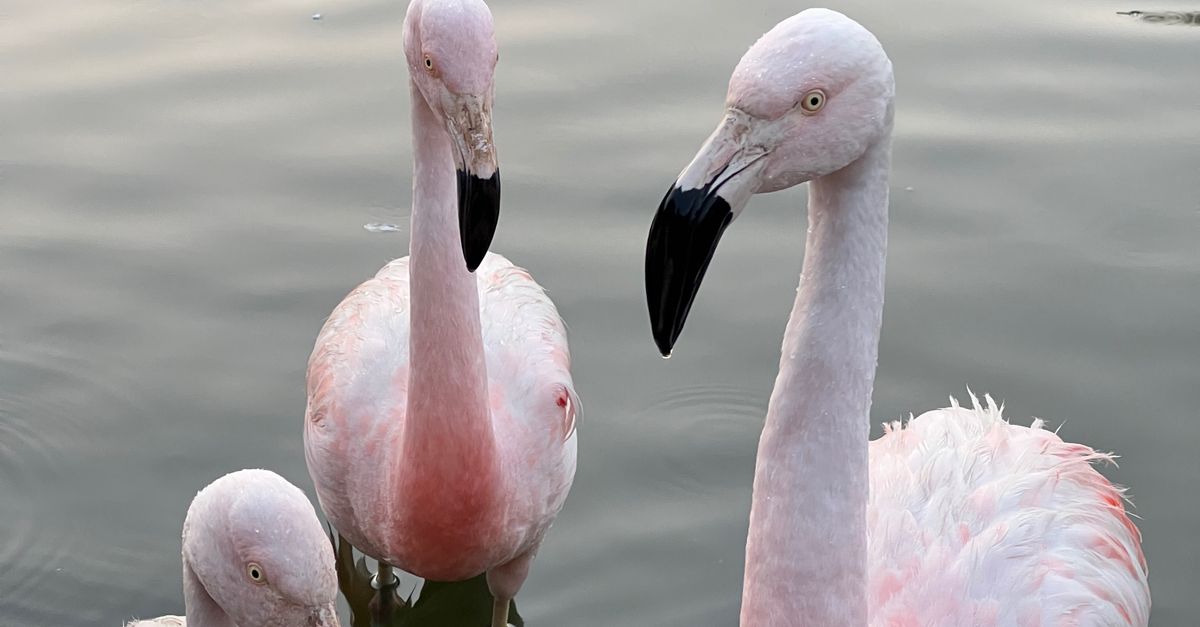
In the Vitacura neighborhood, Bicentenario Park is a 30-hectare urban park along the Mapocho River, far calmer than the historic center, with lagoons home to free-living Chilean flamingos, bike paths and picnic areas. It's the ideal way to close out a busier itinerary: a quiet morning walk before heading to the airport.
The park sits about 25 minutes from Arturo Merino Benítez International Airport, a comfortable option for anyone flying out in the afternoon or evening on the last day.
Ralli Museum

A ten-minute walk from Bicentenario Park, still in Vitacura, the Ralli Museum is the one almost nobody puts on the itinerary and should. Entry is free, and the collection holds Dalí, Chagall, Miró and a strong room of contemporary Latin American art, spread through high-ceilinged galleries around a courtyard.
It works as a closing stop precisely because it is quiet: on a weekday it is often nearly empty, the visit takes an hour, and it sits on the way back to the airport. Just check the opening hours first, because it closes on Mondays and for the whole of February.
Do you need a visa to travel to Chile?
Not for most visitors. Brazilians and travellers from Mercosur countries enter Chile as tourists without a visa, and do not even need a passport: a national ID card issued within the last ten years is enough. A passport also works and usually moves the queue faster. Stays of up to 90 days are allowed.
On arrival you fill in a mandatory sworn baggage declaration. Chile is strict about animal and plant products: fruit, seeds, cheese and cured meats are seized, and failing to declare them carries a fine. Bin the leftover fruit from the flight before you reach the belt.
When is the best time to visit Santiago?
March to May and September to November are the best windows. Those are the Chilean autumn and spring, with temperatures between 12 and 25 degrees, clear skies and snow still on the high Andes, which is what gives Santiago its postcard backdrop.
Summer, December to February, passes 32 degrees and empties the city: many restaurants and museums close in February, when Chileans take their holidays. Winter brings skiing less than two hours from the centre, at Valle Nevado and Farellones, but also the worst air quality of the year, because the basin between the mountains traps pollution.
If wine is the draw, the Maipo Valley harvest runs from late February to April, and several wineries open the picking to visitors.
How to get to Santiago and travel around the city
There are direct flights to Santiago from São Paulo, Rio, Brasília, Belo Horizonte, Porto Alegre, Curitiba and Florianópolis, on LATAM, Gol and Azul. From São Paulo it is about 4 hours. Arturo Merino Benítez airport sits 20 km from the centre, a 30 to 50 minute trip depending on traffic.
From the airport, the options are the Centropuerto or Turbus coach to Los Héroes station for about 2 dollars, or a taxi or ride app for 20 to 30 dollars. Ride apps work well, but pickup is at a signposted bay, not at the arrivals door.
In the city the metro solves almost everything: seven lines, clean, punctual and cheap. Buy the rechargeable Bip card at your first station. Avoid rush hour, 7.30 to 9am and 6 to 7.30pm, when lines 1 and 5 get genuinely packed. Every stop in this itinerary is within a ten-minute walk of a station, except the Maipo Valley, which needs a tour or a car.
Where to eat in Santiago: classic dishes and the best restaurants
Chilean food leans on the sea more than people expect, and three things organise what to try. Pastel de choclo, a sweetcorn pie baked in a clay dish over beef, chicken, olives and egg, is the most traditional plate. Centolla, the Patagonian king crab, is the splurge worth doing once. And the completo, the Chilean hot dog buried under avocado, diced tomato and mayonnaise, is the street snack everyone eats standing up.
At the Mercado Central, avoid the restaurants in the middle of the hall, the ones with staff pulling tourists in by the arm, and look at the edges instead, at places like El Galeón, where the king crab and the conger eel come fresher and cost less.

In Lastarria, which this itinerary already covers on Day 3, Liguria occupies an old townhouse and serves the most reliable pastel de choclo downtown, and Bocanáriz is the city wine address, with hundreds of Chilean labels and guided flights by the glass. For ice cream, Emporio La Rosa is on the same street.


A less obvious and cheaper market is Tirso de Molina, across the river, with Peruvian and Chilean kitchens on the upper floor and a full lunch for a third of Mercado Central prices. And if the trip takes in San Cristóbal Hill, the mote con huesillo sold at the top, a cold drink of dried peach and wheat, is a summer tradition worth stopping for.
Is 5 days enough for Santiago de Chile?
5 days cover the essentials of Santiago without rushing: the historic center, Bellavista and San Cristóbal Hill, a day trip to the coast in Valparaíso and Viña del Mar, and still an afternoon of wineries in the Maipo Valley. Those with more time can stretch it to 7 days and add the Andes ski resorts in winter, or the Elqui Valley further north. With the full itinerary saved on Galmund, the schedule, map and budget stay editable and ready to fit your dates.
Estimated budget per person
Prices checked on 10 September 2026. Check current prices at Sky Costanera · Concha y Toro.
Frequently asked questions
Do Brazilians need a visa to visit Santiago de Chile?+
No. A valid ID card (issued within the last 10 years) or a valid passport is enough for tourist stays of up to 90 days.
How many days do you need to see Santiago de Chile?+
5 days cover downtown, Bellavista, San Cristóbal Hill, plus a day trip to Valparaíso and the Maipo Valley wineries. With 7 days you can add the Andes or the Elqui Valley.
Is the day trip to Valparaíso and Viña del Mar worth it?+
Yes. Valparaíso is a UNESCO World Heritage Site, with colorful hills and century-old funiculars, and it's an hour and a half from Santiago, a trip that already includes Viña del Mar's coastal promenade.
Do you need to worry about altitude in Santiago?+
No. Unlike Cusco or La Paz, Santiago sits at about 520 meters of altitude, which doesn't require any special acclimatization.
How much does a 5-day trip to Santiago de Chile cost?+
A realistic estimate is US$ 900-1,500 per person, including flights, lodging, food and the main sights.
Ready to go?
Save this itinerary to your Galmund and take the schedule, map and budget with you. Edit, share and track it all on the globe.
Save this itinerary to my GalmundBeen there already?
Pin this trip on your globe and keep your photos where they were taken.
Pin it on my globe