
Lima · Cusco · Sacred Valley · Machu Picchu · 9 min read
Peru 8-Day Itinerary: Cusco, Sacred Valley & Machu Picchu
8 days · 4 cities
Duration
8 days
Estimated budget
US$ 1,100-1,500 per person
Best time to go
May-Sep is drier, but busier.
Visa
Not required for most, up to 90 days.
This Peru 8 day itinerary follows the classic route: Lima, Cusco, the Sacred Valley and Machu Picchu. The order is set by altitude: you acclimatise in Cusco (3,400 m) before any hiking.
In short: two entries to Machu Picchu, one in the afternoon and one at dawn, ahead of the big groups. Visa, altitude and where to eat are at the end of the article.
Day 1: Lima
Plaza de Armas de Lima
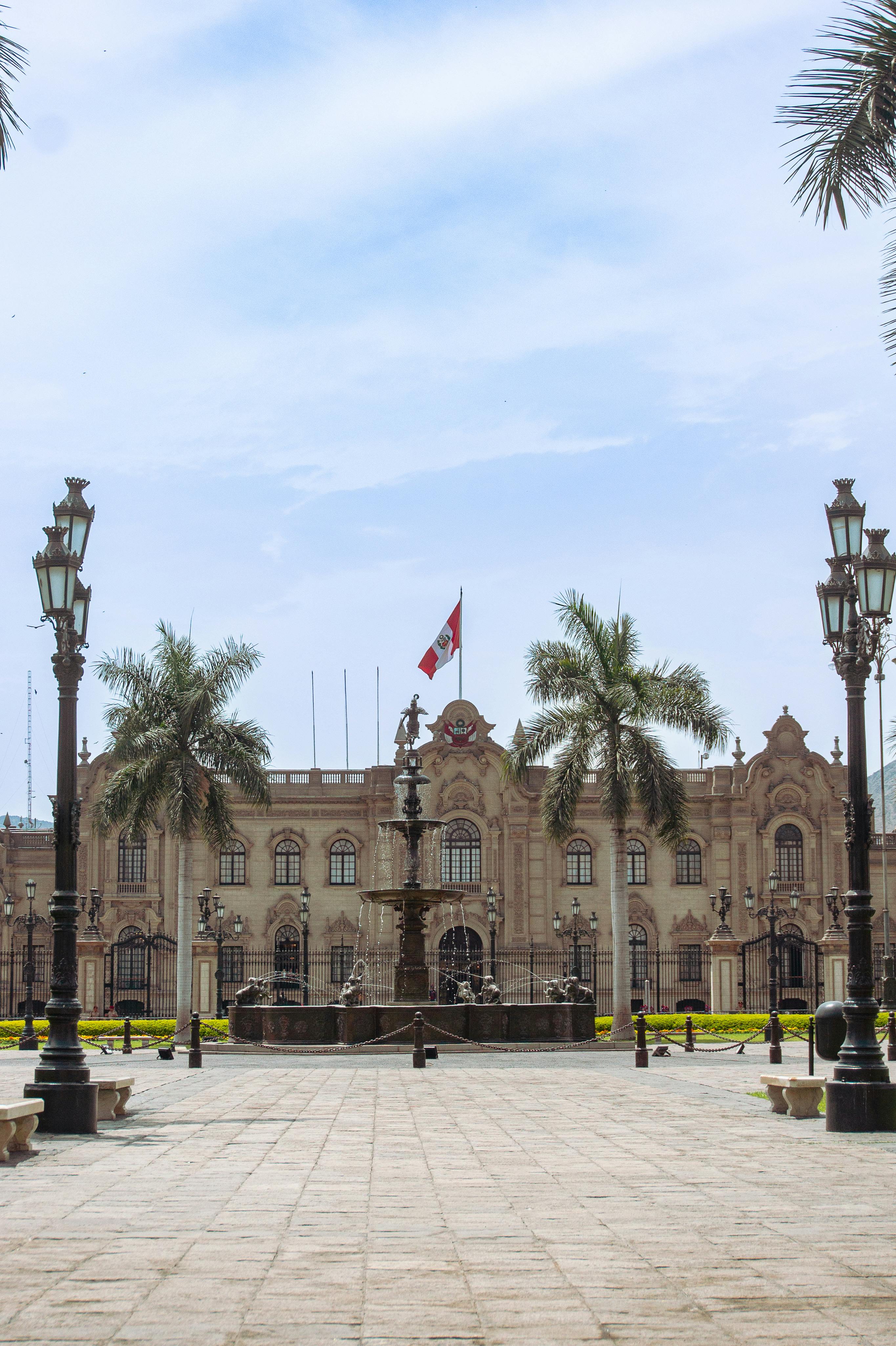
The trip starts in Lima's historic center, a UNESCO World Heritage Site since 1988. The Plaza de Armas, founded in 1535 by Francisco Pizarro, is framed by the Lima Cathedral, the Government Palace and City Hall. It's well-preserved colonial architecture, just steps from museums and the Barranco district.
Coming straight from Brazil, it's worth reserving the first afternoon for this walk with no fixed schedule: it's the only stretch of the trip where altitude (150 m) isn't a factor at all.
Malecón de Miraflores at sunset
_Miraflores_(Lima,_Peru).jpg)
Miraflores is the most practical base for Lima: a strip of clifftop parks over the Pacific, with a bike path, paragliders and the Parque del Amor. It's also the most touristy and safest neighborhood in the city, with plenty of restaurants for your first night.
Sunset at the Malecón, with the ocean crashing against the cliff, is the calmest possible way to close out the day before the next morning's domestic flight to Cusco.
Day 2: On to Cusco
Flight to Cusco and acclimatization

The second day is pure logistics and patience: a domestic flight of about 1h30 takes you from Lima to Cusco, already at 3,400 m of altitude. The serious advice is to do nothing else: check in, hydrate, and try a coca tea. It's the calmest day of the trip, but also the most important one for not compromising the days that follow.
Cusco Cathedral

On the day you arrive at 3,400 metres the rule is to do very little, and Cusco Cathedral is exactly the right thing for that: it sits on the Plaza de Armas itself, it is all indoors, and it involves climbing nothing. It was built between 1560 and 1664 over the palace of the Inca Viracocha, with stone taken from Sacsayhuamán, which tells much of colonial Peru’s story in a single building.
Inside is Marcos Zapata’s Last Supper, from the Cusco School, in which Christ and the apostles share a cuy, the Andean guinea pig, and chicha instead of wine. It is the most cited example of how Indigenous painters rewrote European iconography from within. The ticket usually comes in the combined religious circuit, and an hour is enough.
Day 3: Cusco
Sacsayhuamán
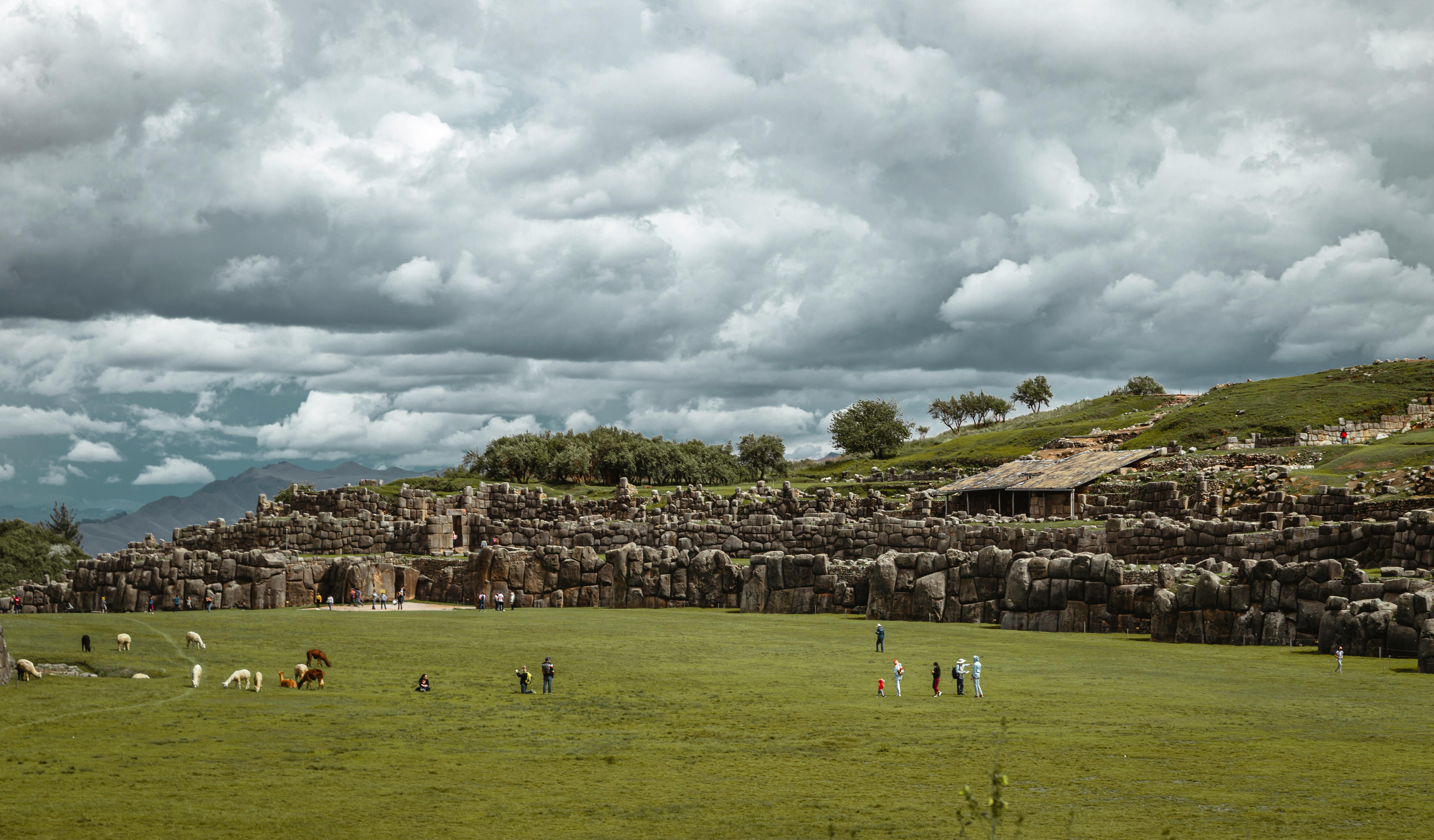
After a full day of acclimatizing, the itinerary properly starts with Sacsayhuamán: a ceremonial Inca complex built from stone blocks weighing up to 200 tons, fitted together without any mortar, high above the city. It's one of the most impressive surviving examples of Inca engineering.
It's also the trip's first real physical effort, with steep climbs and altitude together. That's why it only shows up on day 3, never on arrival day.
Qorikancha, the Temple of the Sun
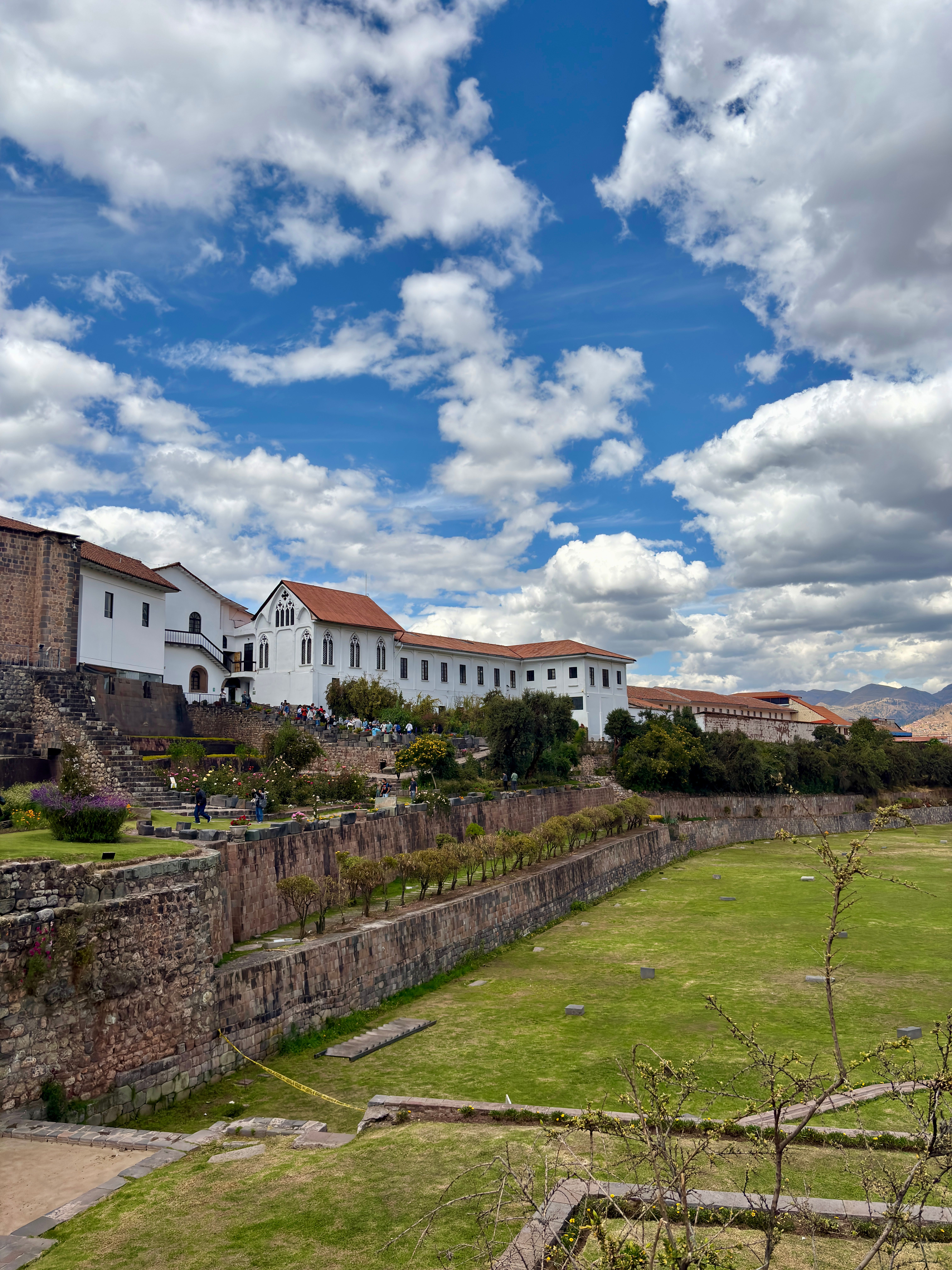
The most important temple of the Inca Empire was dedicated to the sun god Inti, and its walls were originally covered in gold. After the Spanish conquest, the Santo Domingo convent was built literally on top of the Inca ruins, and both layers of history are still visible side by side today.
San Blas neighborhood
_(4577529043).jpg)
San Blas is Cusco's bohemian neighborhood: narrow stone streets, artisan workshops and sweeping views over the city, full of cafés and galleries for a slower-paced afternoon.
San Pedro Market
.jpg)
On the way back from San Blas, San Pedro Market works as a real gauge of daily life in Cusco, with stalls of Andean fruit, cheese, fresh juice and local food at local prices. It's a world away from the touristy circuit downtown.
Day 4: Sacred Valley
Pisac Market and Ruins
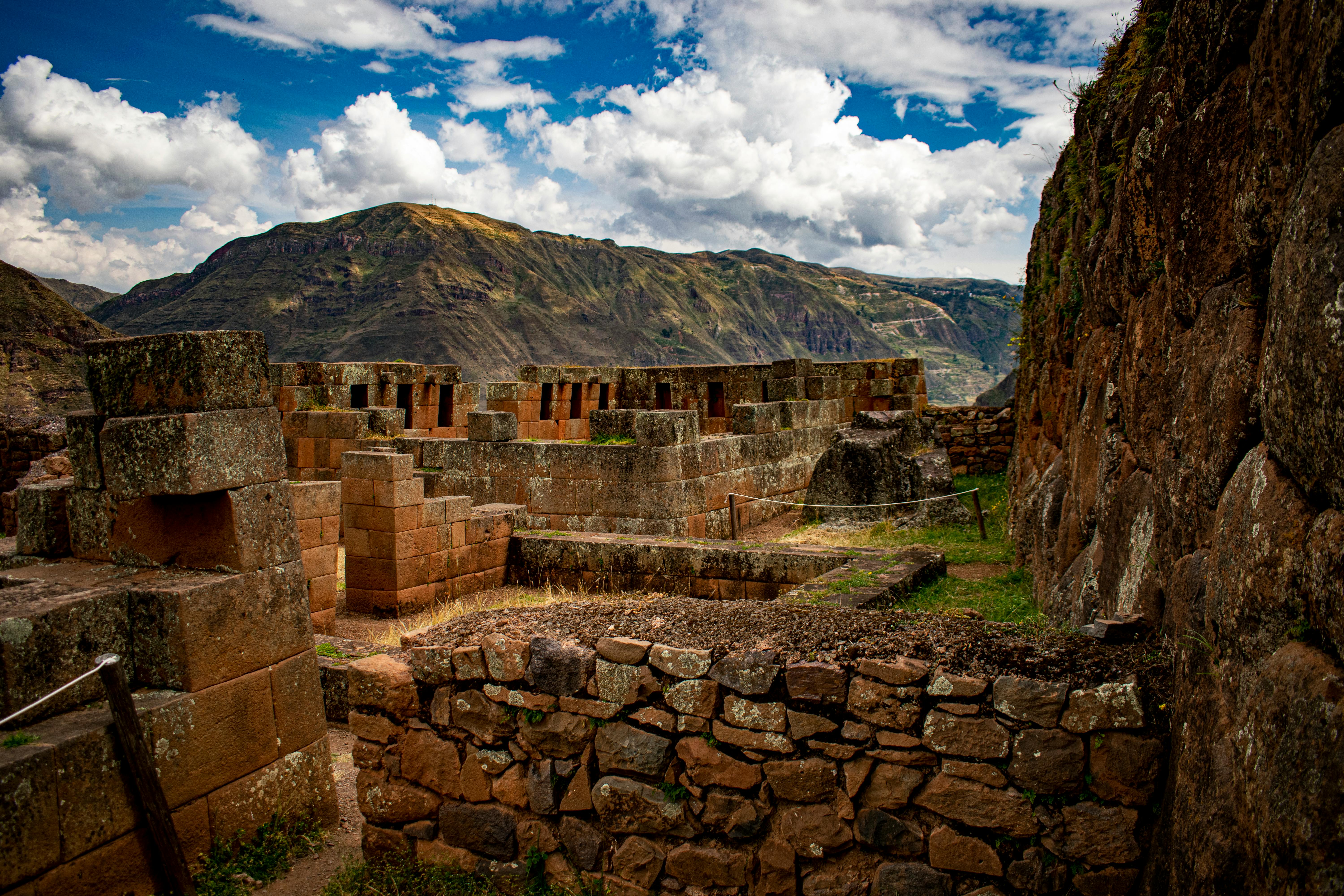
Dropping down into the Sacred Valley (lower altitude than Cusco) is a relief on its own after two days at altitude. Pisac combines a traditional artisan market, busiest on Sundays, Tuesdays and Thursdays, with Inca agricultural terrace ruins high above the valley, offering one of the most complete views of the whole trip.
Ollantaytambo Fortress

Ollantaytambo is one of the few Inca sites that actively resisted the Spanish conquest. Its monumental terraces and the unfinished Temple of the Sun use pink stone blocks hauled from a quarry 6 km away, a logistical feat that still puzzles archaeologists.
The village at the foot of the fortress is also where most itineraries catch the Vistadome train the next day, making it the last stop before Machu Picchu.
Days 5 & 6: Machu Picchu
Machu Picchu, afternoon and sunrise
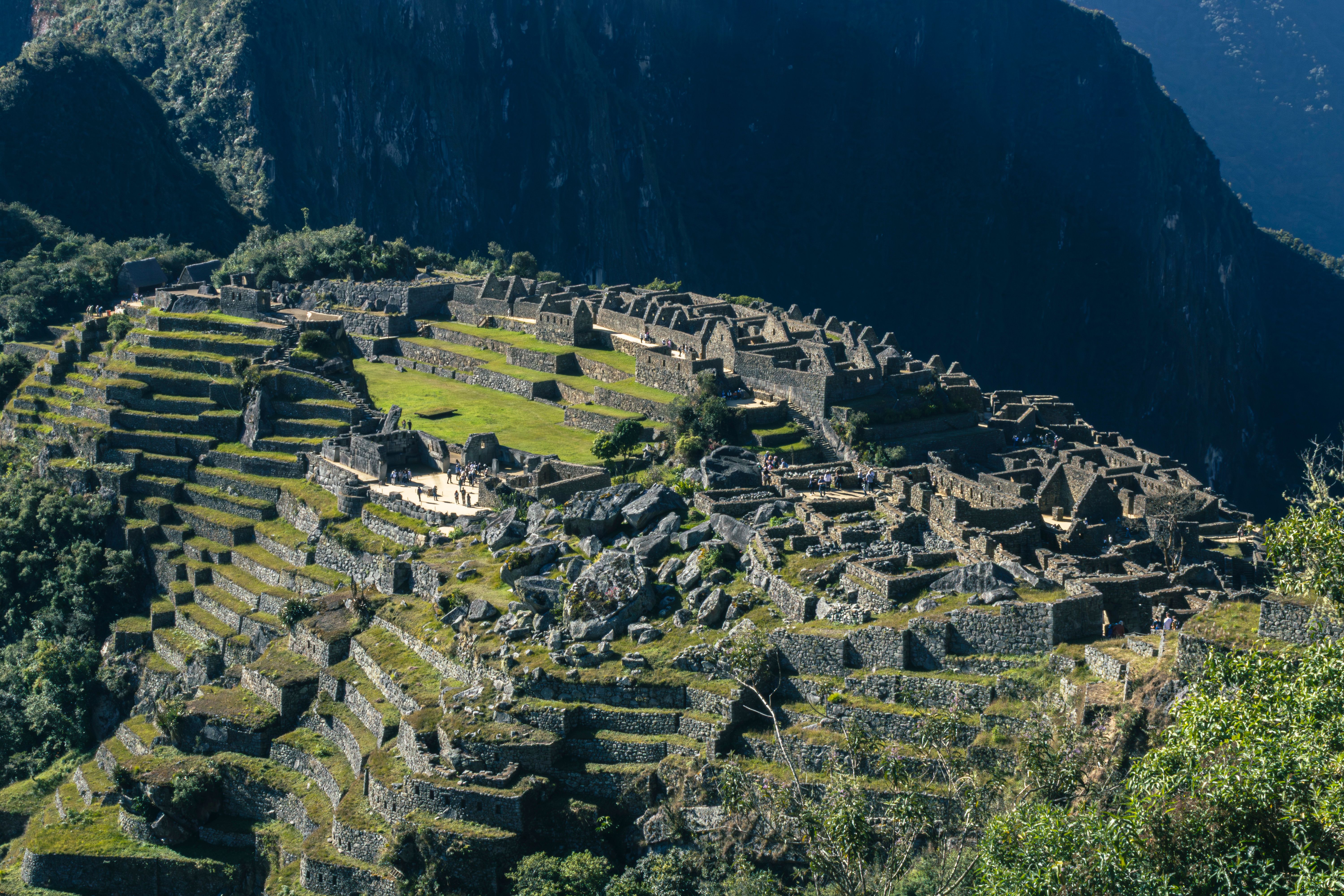
The 15th-century Inca citadel sits at 2,430 m of altitude and was brought to international attention in 1911 by Hiram Bingham. Today it's a UNESCO World Heritage Site and one of the New Seven Wonders of the World. The Vistadome train from Ollantaytambo to Aguas Calientes takes about 1h30, and from there a bus climbs up to the entrance.
Two visits make a real difference: the first in the afternoon on arrival day, with stronger light for photos; the second at sunrise the next morning, when mist still covers the terraces and the big groups haven't arrived yet. It's the experience most travelers describe as the highlight of the entire trip.
Aguas Calientes

Aguas Calientes, officially Machu Picchu Pueblo, is the village where everyone sleeps between the two visits to the citadel. It sits at 2,040 metres, nearly 1,400 below Cusco, wedged between green mountains and split by the Urubamba river, and it is reachable only by train or on foot: there is no road.
Sleeping here is what lets you enter Machu Picchu in the first slot the next morning, ahead of the buses coming up from Cusco. Beyond that the village is small and touristy, but the hot springs it is named after run until 8pm and do good work on your legs after the citadel. Prices are the highest of the trip, so eat early and off the main street.
Do you need a visa to travel to Peru?
Not for most South American visitors. Brazilians and travellers from Mercosur and Andean Community countries enter Peru as tourists without a visa, using a national ID card issued within the last ten years. A passport also works. The permitted stay runs from 90 to 183 days, set by the officer on arrival.
Carry your document at all times: it is required at the Machu Picchu entrance, and the name on the ticket must match it exactly. Anyone under 18 travelling without both parents needs a travel authorisation.
When is the best time to visit Peru?
May to September is the dry season in the Andes and the best window: sunny days, little rain and clear visibility at Machu Picchu. It is also high season, with tickets selling out weeks ahead and higher prices.
November to March is the rainy season. It rains most late afternoons, trails get slippery and Machu Picchu wakes up in mist, which is sometimes beautiful and sometimes hides everything. In exchange the highlands turn green and there are far fewer people. February is the month to avoid: the Inca Trail closes for maintenance all month.
April, May, September and October are the shoulder seasons and usually the best value, with decent weather and smaller crowds.
How to handle the altitude in Cusco and Machu Picchu
Cusco sits at 3,400 metres and Machu Picchu at 2,430, which means the citadel is considerably lower than the city you set out from. Altitude sickness, soroche, hits in the first 24 hours in Cusco, not at Machu Picchu.
What works: give the arrival day over to doing almost nothing, as this itinerary does on Day 2; drink plenty of water; eat light; skip alcohol for the first 24 hours; and take the steep streets of the centre slowly. Coca tea and coca sweets help with mild symptoms. If you get a severe headache, nausea or breathlessness at rest, seek care: almost every hotel keeps oxygen.
With more time you can invert the order and sleep first in the Sacred Valley, at 2,800 metres, acclimatising better before taking on Cusco. Talk to your doctor first if you take regular medication or have a heart or lung condition.
How to get to Peru and travel between the cities
There are direct flights from São Paulo to Lima with LATAM and Gol, about 5h30. Lima to Cusco is another 1h20 by air, the leg this itinerary flies on Day 2. Fly early: from mid-morning the wind in the Cusco valley frequently cancels and diverts flights.
From Cusco to the Sacred Valley, buses, taxis and tours cover everything. For Machu Picchu the route is a train from Ollantaytambo or Poroy to Aguas Calientes, with PeruRail or IncaRail, between 1h30 and 3h30. Book ahead in high season. From Aguas Calientes the Consettur buses climb to the citadel entrance, 30 minutes of switchbacks.
Tickets. Machu Picchu runs on timed circuits, and the daily quota sells out weeks ahead between June and August. Buy on the official site before locking in the rest of the trip, and check the circuit: not all of them pass the classic postcard viewpoint.
Where to eat in Peru: ceviche, Andean food and what to try
Peruvian cooking is the reason many people make this trip, and Lima holds restaurants ranked among the best in the world. Three dishes organise the essentials. Ceviche, raw fish cured in lime with red onion, ají and corn, is the national plate and is eaten at lunch, never at night, because the fish is that day’s. Lomo saltado, beef stir-fried with onion, tomato and chips, is the Chinese inheritance of chifa cooking. And ají de gallina, shredded chicken in a yellow chilli cream, is the home comfort.
In Lima, from Day 1, Miraflores and Barranco hold the fine dining, including houses repeatedly listed among the world’s best, which need booking months ahead. For ceviche without ceremony, find a neighbourhood cevichería at lunchtime: that is where the dish is best and cheapest. And do not leave Lima without a pisco sour and a causa limeña.
In Cusco and the Sacred Valley the cooking turns Andean: grilled alpaca, lean and close to beef; river trout; quinoa soup; and cuy, roast guinea pig, which is festival food and cultural curiosity more than an everyday meal. San Pedro Market, which this itinerary visits on Day 3, is the best place to try all of it cheaply, at the lunch counters at the back, plus the fruit juices by the entrance.
One altitude note: for the first 24 hours in Cusco, eat light. A heavy meal at 3,400 metres is the fastest route to feeling ill.
Is the 8-day itinerary worth it?
8 days is the sweet spot between not risking altitude sickness and not spending too long in a single region of Peru. Travelers who try to squeeze the same route into 5 or 6 days usually cut exactly the acclimatization days, and that's typically where the trip goes wrong. With the full itinerary saved to Galmund, the schedule, map and budget stay editable and ready to adjust to your own dates.
Estimated budget per person
Prices checked on 10 September 2026. Check current prices at Machu Picchu tickets · PeruRail.
Frequently asked questions
Do I need a visa to visit Peru?+
Most nationalities do not need a tourist visa for stays up to 90 days, but always double-check against your specific passport before booking.
How do I avoid altitude sickness (soroche) in Cusco?+
Plan 1-2 easy days before any physical effort, drink plenty of water, skip alcohol for the first 24-48 hours, and try coca tea. For stronger symptoms, acetazolamide can help under prior medical guidance.
Do I need to book Machu Picchu tickets in advance?+
Yes. The daily quota is limited and tickets sell out weeks or even months ahead during high season (June-August). Book as soon as your dates are set.
Is it better to stay in Cusco or Aguas Calientes?+
Cusco is the culturally richer and cheaper base; Aguas Calientes cuts down travel time on the day you visit Machu Picchu, especially useful for the sunrise entry.
How much does an 8-day Peru trip cost?+
A realistic estimate is US$ 1,100-1,500 per person, including domestic flights, lodging, food and entrance tickets, varying with season and hotel category.
What is the best time of year to visit Peru?+
May to September (dry season) has less rain but more visitors; December to March brings more afternoon rain, with quieter trails and slightly lower prices.
What currency should I use in Peru, and is it easy to exchange money?+
The Peruvian sol (PEN) is the local currency. US dollars are widely accepted at hotels and exchange houses in tourist cities, and cards work at most places in Lima and Cusco, but carry cash for markets and smaller towns like Pisac and Ollantaytambo.
Do I need a yellow fever vaccine for Peru?+
It's not required for Lima, Cusco or Machu Picchu, but it is recommended if you extend your trip into Peru's Amazon regions, such as Madre de Dios or Iquitos.
Is it better to hike the Inca Trail or take the train to Machu Picchu?+
The classic 4-day Inca Trail requires booking 5-6 months ahead and good physical fitness. The Vistadome train is what most travelers choose, taking roughly 1h30 to 3h30 (depending on where you board) to Aguas Calientes, with spectacular scenery along the way.
Is it safe to travel to Peru?+
Lima, Cusco and the cities on this itinerary see millions of tourists a year and have solid safety infrastructure in central areas. Basic precautions are the same as in any major Latin American city: watch your belongings in crowded areas and avoid walking alone at night in isolated spots.

Ready to go?
Save this itinerary to your Galmund and take the schedule, map and budget with you. Edit, share and track it all on the globe.
Save this itinerary to my GalmundBeen there already?
Pin this trip on your globe and keep your photos where they were taken.
Pin it on my globe