
León · Burgos · Astorga · Ponferrada · Las Médulas · Castile and León · Camino de Santiago · Spain · 10 min read
León Spain Itinerary 6 Days: Burgos, Astorga and Las Médulas on the Camino
6 days · 5 cities
Duration
6 days
Estimated budget
600 to 1,050 euros per person, no flights
Best time to go
May, June, September and October
Visa
Schengen rules; visa free for many passports
This 6 day León, Spain itinerary follows the Camino de Santiago west by train: two nights in Burgos, two in León and one in Ponferrada. You only need a car on the last day, for Las Médulas.
In short: Burgos Cathedral and Atapuerca, León Cathedral and the Barrio Húmedo, San Isidoro, Gaudí in Astorga, the Templar castle of Ponferrada and the Roman gold mines. Visas, seasons and food are at the end.
Day 1: arrival in Burgos, from the Espolón to the cathedral
Paseo del Espolón: arriving along the river

Quick stop, 30 minutes, free. The train from Madrid to Burgos takes about 1h30, and the station is 15 minutes by taxi from the centre. Drop your bags and start with the Espolón, the promenade of arched, pruned plane trees on the bank of the Arlanzón.
It is where Burgos takes its evening stroll, past the bandstand, the cafés and the glazed balconies of 19th century buildings.
Arco de Santa María: the gate of the medieval city

Quick stop, 20 minutes, free, at the west end of the Espolón. The old wall gate was rebuilt in the 16th century as a triumphal arch for Emperor Charles V, who stands at the top next to El Cid and the founders of Castile.
Walk through the arch: on the other side, the cathedral suddenly appears a few steps away.
Burgos Cathedral: Spanish Gothic and the tomb of El Cid

About two hours, 11 euros with audio guide; on Tuesdays from 9:30 to 11:25 entry is free at the ticket office. It opens 9:30 to 18:30 from March to October and until 18:00 in winter, so arrive by 16:30.
Begun in 1221 and a World Heritage Site, it has the lacework spires of the facade, the Constable’s Chapel with its star vault and, in the floor of the crossing, the tomb of El Cid and his wife Jimena. Look for the Papamoscas, the clock figure that opens its mouth as it strikes the hour.
Day 2: Burgos from the castle to the Cartuja, via Atapuerca
Castle viewpoint: the cathedral from above

Quick stop, 40 minutes, free. Climb the steps behind the cathedral to the viewpoint on the hill where the castle stood, a ten minute walk up.
From there you see the whole cathedral with its spires above the rooftops, the best photo of Burgos and easiest in the morning, with the sun behind you.
Museum of Human Evolution: the Atapuerca fossils

About 2h30, 6 euros, free on Wednesdays; closed on Mondays. Walk down the hill and cross the river: the glass building is on the south bank, 15 minutes on foot.
The museum gathers the finds from the Atapuerca sites, 15 km from the city, where some of the oldest human fossils in Europe were found. You do not need to love archaeology: the life size reconstructions explain it on their own. Visits to the sites themselves leave from the museum with a booking.
Cartuja de Miraflores: Gil de Siloé’s royal tomb

About an hour, 5 euros, free on Wednesdays from 16:00 to 18:00. It is 4 km east of the centre in Fuentes Blancas park; go by taxi or city bus, or walk along the river in an hour. It closes for lunch from 15:00 to 16:00.
Carthusian monks still live here, and the church holds the tomb of Juan II and Isabel of Portugal, the parents of Isabella the Catholic, carved in alabaster by Gil de Siloé in the late 15th century.
Day 3: Burgos to León, from Casa Botines to the Barrio Húmedo
Casa Botines: León’s Gaudí

About an hour, 9 euros; closed on Tuesdays and Wednesday mornings. The train from Burgos to León takes about two hours; from the station, cross the Bernesga River and walk 15 minutes along Avenida de Ordoño II to Plaza de San Marcelo.
Gaudí designed the building in 1891 for a textile shop, one of the few he built outside Catalonia. Inside, the museum recreates the period offices and shows the original drawings.
León Cathedral: the cathedral of glass

About 1h30, 7 euros, five minutes on foot from Casa Botines. It opens in the morning and afternoon with a lunch break; last entry is half an hour before closing.
What makes this 13th century Gothic cathedral is its stained glass: about 1,800 square metres of medieval glass taking the place of walls. Go in the late afternoon, when the western sun lights the facade’s rose window from inside.
Barrio Húmedo: a free tapa with every drink

Dinner, free apart from your drinks, three minutes south of the cathedral. The Barrio Húmedo is the medieval quarter between Plaza Mayor and Plaza de San Martín, named for the sheer number of bars.
In León, every caña or glass of wine comes with a free tapa that changes from bar to bar: morcilla, potatoes in sauce, croquettes, cecina. The custom is one drink at each counter, then on to the next.
Day 4: León from San Isidoro to the Bernesga River
San Isidoro: the Royal Pantheon and its frescoes

About 1h30, 5 euros for the Pantheon, cloister and museum; closed on Mondays. The Romanesque basilica leans against the city wall, five minutes on foot from Casa Botines.
The Royal Pantheon, where the kings of León lie, has vaults covered in 12th century frescoes so well preserved that it is called the Sistine Chapel of the Romanesque. The museum holds the chalice of Doña Urraca, which a 2014 book presented as the Holy Grail.
Hostal de San Marcos: the pilgrims’ facade

Quick stop, 30 minutes, free from outside, a 15 minute walk west on the bank of the Bernesga. It was a convent and hospital for Camino de Santiago pilgrims and is now the Parador de León.
The 16th century Plateresque facade runs for about 100 metres of carved medallions and columns. On the square, the statue of a resting pilgrim shows that the Camino passes right here.
MUSAC: the cathedral’s stained glass in contemporary form

Quick stop, 30 minutes, a 10 minute walk north of San Marcos. The contemporary art museum, opened in 2005, is worth it for its facade of coloured glass panels inspired by the cathedral windows.
Go in if the current exhibition appeals; if not, the facade alone justifies the walk. Head back to the centre for the evening tapas, this time around Plaza Mayor.
Day 5: Gaudí’s Astorga and Ponferrada castle
Chocolate Museum: the Astorga that made chocolate
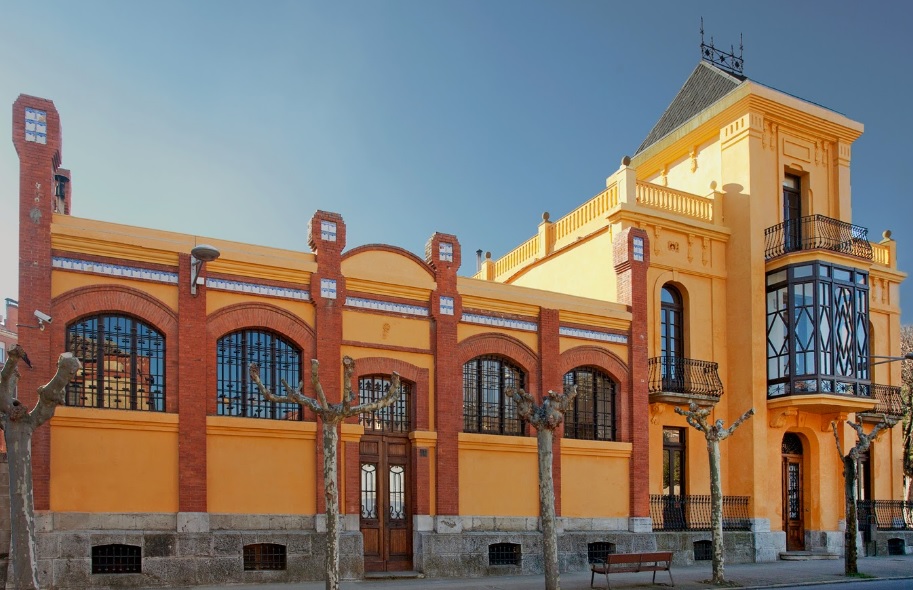
Quick stop, 40 minutes; closed on Mondays. The train from León to Astorga takes about 45 minutes, and the museum is on the way from the station to the centre, in a modernist mansion.
In the 18th and 19th centuries Astorga had dozens of chocolate factories, because it sat on the route of the Maragato muleteers who brought cocoa from the ports. The visit ends with a tasting.
Gaudí’s Palace: the bishop’s fairytale castle

About an hour, 6 euros with audio guide, ten minutes on foot from the museum. Gaudí designed the palace in 1889 for the bishop of Astorga, in white granite, with castle towers and a moat.
No bishop ever lived in it, and today it houses the Museum of the Ways, about the Camino de Santiago. Head up to the chapel, the most beautiful room, with stained glass and coloured brick vaults.
Astorga Cathedral: the pink facade next to Gaudí

Quick stop, 30 minutes, right beside the palace. The Gothic cathedral has a Baroque facade of pinkish sandstone and, inside, the Renaissance altarpiece by Gaspar Becerra.
Then have cocido maragato for lunch in Astorga and take the train on to Ponferrada, about an hour away, for the night.
Templar Castle of Ponferrada: late afternoon in El Bierzo

About 1h30, 6 euros, free on Wednesdays; closed on Mondays. It is open until 20:30 from April to September, until 19:00 in October and March and until 18:00 in winter.
The Templars were given the town in the late 12th century and began the fortress above the Sil River; the towers and walls you see grew until the 15th century. The Camino de Santiago passes the gate.
Day 6: Las Médulas, the Roman gold mines
Mirador de Orellán: the view of Las Médulas

About an hour, free at the viewpoint and 3 euros for the Orellán gallery, a Roman tunnel ending on a balcony over the landscape. It is about 30 minutes by car from Ponferrada; parking at the viewpoint costs 4 euros.
From there you see the whole site: red clay peaks and cliffs among chestnut trees, what is left of the mountains the Romans washed away with water to extract gold.
Las Médulas: the trail through the chestnut trees

About two hours, free, ten minutes by car from the viewpoint in the village of Las Médulas. Take the Valiñas trail to La Cuevona and La Encantada, the largest galleries, about 1h30 there and back with a gentle climb.
It was the largest open air gold mine of the Roman Empire and is now a World Heritage Site. Return to Ponferrada for the afternoon train: Madrid is about four hours away.
Do you need a visa for Spain?
It depends on your passport. Spain is in the Schengen Area, and citizens of many countries, including the United States, Canada, the United Kingdom, Australia and most of Latin America, can visit without a visa for up to 90 days in any 180. Others need a Schengen visa before travelling.
ETIAS, the online authorisation of 20 euros that visa exempt travellers will need, still has no confirmed start date from the European Union. Check before you fly.
When is the best time to visit León and Burgos?
May, June, September and October. The days are mild and dry, and in October the chestnut trees of Las Médulas turn gold.
Burgos and León sit over 800 metres up on the plateau: winters are cold with frost, and July and August are hot by day and cool at night. León’s Holy Week is one of the most traditional in Spain and fills the city.
How to get to León and get around
Fly to Madrid. From there the train reaches Burgos in about 1h30, and the route continues west by train: Burgos to León in about two hours, León to Astorga in 45 minutes and Astorga to Ponferrada in about an hour. Book on the Renfe website.
Only Las Médulas needs a car. Rent one in Ponferrada for a day, take a taxi or join a tour. Many non EU licences are accepted for tourists, but carry an International Driving Permit, which some rental companies and police ask for.
Where to eat in León and Burgos: signature dishes and what to order
The food of Castile and León is meat, cured sausage and chickpeas. In León, make the Barrio Húmedo your dinner, bar to bar, with the free tapa that comes with each drink. What to avoid: cocido maragato at night, because it is a heavy midday meal, and the picture menus by the door of Burgos Cathedral.

Cocido maragato is Astorga’s dish: a stew of seven meats, chickpeas and cabbage served in reverse order, meats first and soup last. In Astorga and the nearby village of Castrillo de los Polvazares, some houses serve nothing else at lunch.


Morcilla de Burgos is made with rice and onion and served fried in slices in almost every tapas bar in the city; order it with fresh Burgos cheese and a Ribera del Duero red.

Botillo is the dish of El Bierzo, around Ponferrada: a hefty sausage of smoked pork ribs and tail, boiled and served with potatoes and cabbage. Pair it with a red from the local mencía grape.

To take home: mantecadas de Astorga, buttery cakes in paper cases, and cecina de León, cured and smoked beef, sliced thin on every León tapa.
Are 6 days enough for León and Burgos?
They are enough for the two cathedrals, Atapuerca, Gaudí in León and in Astorga, Ponferrada castle and Las Médulas without rushing, travelling by train along the same line as the Camino de Santiago. The pace is one night of tapas per city.
What was left out and deserves more days: the Atapuerca sites themselves, visited with a booking from the museum; Villafranca del Bierzo and O Cebreiro, at the gateway to Galicia; and Salamanca, two hours from León, for those returning to Madrid via the south.
If you want to continue along the Camino to the sea, the train from Ponferrada carries on into Galicia. Save this itinerary on Galmund to fit the days to your calendar.
Estimated budget per person
Prices checked on 25 September 2026. Check current prices at Catedral de Burgos, horários e ingressos · Museu da Evolução Humana, tarifas · Cartuja de Miraflores, ingressos · Catedral de León, horários e preços · Palácio de Gaudí de Astorga, horários e ingressos · Castelo dos Templários de Ponferrada, horários e tarifas.
Frequently asked questions
How much does a 6 day trip to León and Burgos cost?+
Between 600 and 1,050 euros per person excluding international flights, counting a mid range hotel in a double room, food, trains and tickets. The main tickets are Burgos Cathedral at 11 euros, Casa Botines at 9, León Cathedral at 7, the Museum of Human Evolution, Gaudí’s Palace and Ponferrada castle at 6 each, and San Isidoro and the Cartuja de Miraflores at 5 each.
What to see in León in one day?+
Gaudí’s Casa Botines, the cathedral and its stained glass, San Isidoro with the Royal Pantheon and, in the evening, the free tapas of the Barrio Húmedo. All are within a ten minute walk of each other. With a second day, add the Hostal de San Marcos and MUSAC.
Are tapas really free in León?+
Yes. In León’s bars, especially in the Barrio Húmedo, every caña or glass of wine comes with a free tapa that changes from bar to bar. The custom is one drink at each counter, then on to the next.
How to get to Las Médulas without a car?+
By taxi from Ponferrada, about 30 minutes, or on a day tour. There is a scheduled bus to Carucedo, but with few departures and a walk at the end. If you rent a car in Ponferrada, carry an International Driving Permit along with your licence.
What is the right order to eat cocido maragato?+
The reverse of a normal stew: first the seven meats, then the chickpeas with cabbage and finally the soup. It is a heavy lunch, served at midday in the houses of Astorga and Castrillo de los Polvazares.
Ready to go?
Save this itinerary to your Galmund and take the schedule, map and budget with you. Edit, share and track it all on the globe.
Save this itinerary to my GalmundBeen there already?
Pin this trip on your globe and keep your photos where they were taken.
Pin it on my globe