
Willemstad · Klein Curaçao · Jan Thiel · Westpunt · Christoffel · Shete Boka · 11 min read
Curaçao 6 Day Itinerary: Willemstad, Klein Curaçao and Westpunt
6 days · 2 cities
Duration
6 days
Estimated budget
900 to 1,600 dollars per person, no flights
Best time to go
Year-round; driest from January to April
Visa
Visa-free for many; free digital card first
This Curaçao 6 day itinerary uses two bases and a rental car: three nights in Willemstad, for the city and the boat to Klein Curaçao, and two in Westpunt, at the western tip, close to the best beaches and the national parks.
In short: Punda and Otrobanda, the museums and the liqueur, an island day, the western beach road, Christoffel and Shete Boka. Entry rules, season and food are at the end.
Day 1: arrival in Willemstad, the Handelskade and sunset at Rif Fort
Handelskade: the colourful houses of Punda

Quick stop, 40 minutes, free. After check-in, walk the Punda waterfront, a row of curved-gable Dutch townhouses painted yellow, blue and pink, part of the historic centre listed by Unesco in 1997. Local legend says a 19th-century governor banned white because the glare gave him migraines.
Queen Emma Bridge: the bridge that swings aside

Quick stop, 30 minutes, free, at the end of the Handelskade. The 1888 pedestrian bridge floats on pontoons and swings sideways, powered by a motor at one end, whenever a ship enters the bay. If it is open, a free ferry crosses from the same spot. At night the whole bridge lights up in colour.
Rif Fort: sunset facing Punda

Free, 2 hours, across the bridge in Otrobanda. The 1828 stone fort once guarded the harbour mouth and now houses shops and restaurants in its old casemates.
Climb onto the wall late in the afternoon: the sun sets over the sea and lights up the Handelskade across the water, the best photo in Willemstad. Have dinner right there and walk back over the lit bridge.
Day 2: Willemstad, from Kura Hulanda to the Chobolobo liqueur
Kura Hulanda Museum: the history of slavery in the Caribbean

About 1h30, paid entry, opens at 8am Monday to Saturday. It is in Otrobanda, 300 metres from the bridge, and it is the most important visit in town for understanding where the island comes from.
Curaçao was one of the main hubs of the transatlantic trade in enslaved Africans in the 17th and 18th centuries. The museum, set in restored houses of the district, covers the Atlantic crossing, with a replica of a slave ship's hold, and the Afro-Caribbean culture born from it, from Papiamentu to tambú music.
Mikvé Israel-Emanuel Synagogue: the sand floor of 1732

About 1 hour, paid entry including the Jewish museum, closed on Saturdays. Cross the Queen Emma Bridge back to Punda: it is five blocks away.
Consecrated in 1732, it is the oldest synagogue in continuous use in the Americas, built by Sephardic Jews who came from Amsterdam and, before that, from Portugal and Dutch Brazil. The floor is covered in sand, which tradition links to the desert crossing or to Jews who prayed in secret during the Inquisition.
Plasa Bieu: a Creole lunch in the old market

About 1 hour, lunch only, 250 metres from the synagogue. In the old Punda market hall, cooks serve home-style stews at long shared tables to people who work downtown: goat or beef stoba, fried fish, rice and beans and funchi, the local polenta.
It is the most honest and cheapest food in Willemstad. Arrive before 12.30pm, because the popular dishes run out. Next door, on the Sha Caprileskade quay, the floating market of Venezuelan boats selling fruit and fish survives, smaller than it once was.
Scharloo: the merchants’ mansions

Quick stop, 30 minutes, across the Wilhelmina Bridge. In the 19th century Jewish merchants built mansions here with columns, verandas and white ornaments, many restored and painted green, red and yellow. The most famous is the green one nicknamed the Wedding Cake House.
Landhuis Chobolobo: where Curaçao liqueur is made

About 1 hour, free self-guided visit, paid tastings; 3 km from Scharloo by car. This is the country house where the Senior family distillery has made the original Curaçao liqueur since the mid-20th century.
The key ingredient is laraha, a descendant of the sweet oranges brought by the Spanish that turned bitter and inedible in the island's dry soil. The sun-dried peel flavours the liqueur, which is clear: the famous blue is colouring, and there are orange, green and red versions too.
Day 3: by boat to Klein Curaçao and sunset at Jan Thiel
Klein Curaçao: the deserted islet with the pink lighthouse

Full day, 7am to 4pm, on a boat trip of 100 to 130 US dollars including lunch, drinks and snorkel gear. Boats leave from the marinas on the southeast coast, 20 minutes from the centre, and the crossing takes about 1h30. Book ahead and bring seasickness tablets: the outbound sea is often rough.
The islet, 25 km offshore, is flat, uninhabited and ringed by turquoise water. Walk to the abandoned pink lighthouse and to the rusting hull of a tanker stranded on the east shore, and swim with the turtles that show up on the reef off the main beach.
Jan Thiel beach: sunset at the beach clubs

About 2 hours, paid beach entry, close to the marinas where the boats leave. Back from Klein Curaçao, stay for sunset in the sheltered Jan Thiel cove, lined with beach clubs, loungers, bars and seafood restaurants.
Neighbouring Mambo Beach, 2 km away, is the livelier version, with a boardwalk of shops and parties at night.
Day 4: the road to Westpunt, Porto Mari and Kenepa
Jan Kok salt pan: flamingos on the way

Quick stop, 20 minutes, free, on the road to Sint Willibrordus, 30 minutes from Willemstad. Leave early with the car and pull over at the old salt pan: flamingos are here year-round, closest to the road in the early morning. Do not walk into the pan or make noise, they startle easily.
Playa Porto Mari: a double reef a few metres from the sand

About 3 hours, small paid entry per person, 10 minutes from the salt pan. The beach has full facilities, with loungers, showers and a restaurant, and is one of the best in Curaçao for snorkelling: a few metres out a double reef begins, with a deeper second coral wall for strong swimmers.
Arrive before 10am, when the water is calmest and the groups have not arrived.
Playa Kenepa Grandi: the postcard beach

About 2 hours, free, 40 minutes from Porto Mari, near Westpunt. Check in and head down to the most photographed beach on the island, also called Grote Knip: a white sand cove with turquoise water between low cliffs.
Go up to the roadside viewpoint above the beach first for the photo. Natural shade is scarce, so rent a parasol at the beach stand. Neighbouring Kenepa Chiki, 1 km away, is smaller and quieter.
Playa Forti: the cliff jump at sunset

Quick stop, 1 hour, in Westpunt, 2 km from Kenepa. From the terrace of the clifftop restaurant, locals jump about 10 metres into the deep blue sea. Only jump if you are a strong swimmer and after watching where others land. Stay for sunset, which drops straight into the sea here.
Day 5: Christoffel, Shete Boka and the turtles of Piskado
Christoffel National Park: climbing the island’s highest point

A full morning, 15 US dollars entry including the Savonet museum, open 6am to 3pm. The climb up Christoffelberg, 372 metres, must start by 10am because of the heat: begin at 6.30am with 2 litres of water per person.
The trail takes 2 to 3 hours return and ends with an easy scramble over rocks, with a view of the whole island and, on clear days, Aruba and Bonaire. If you would rather not climb, drive the park's scenic routes between giant cacti and old plantations.
Shete Boka National Park: waves exploding on the north coast

About 1h30, 15 US dollars entry, open 8am to 4pm with last entry at 3pm. It is 5 minutes from Christoffel and you visit by car, stopping at each inlet.
The windward north coast is the opposite of the calm southern beaches: the sea surges into limestone inlets and bursts into plumes of spray. At Boka Tabla, go down into the cave where waves crash above your head, and at Boka Pistol watch the blowhole that gives it its name. No swimming anywhere in the park.
Playa Piskado: swimming with the fishermen’s turtles

About 2 hours, free, in Westpunt. Fishermen clean their catch on the pier and green turtles have learned to come for the scraps: put on a mask and swim a few metres to see them up close.
Do not touch or feed the animals, and keep clear of boats coming and going. Go in the afternoon, when the fishermen return and more turtles appear.
Day 6: Playa Lagun and the Hato Caves on the way to the airport
Playa Lagun: a last swim in the cove between cliffs

About 2 hours, free, 10 minutes from Westpunt. The narrow cove between limestone walls has calm, shallow water, fishing boats and good snorkelling by the rocks on the left, where turtles sometimes appear.
It is the ideal farewell before returning the car: swim in the morning and drive straight to the airport, 50 minutes away.
Hato Caves: stalactites five minutes from the airport

Quick stop, 1 hour, paid guided tour, five minutes from the airport. The limestone caves have stalactites, an underground pool, a bat colony and paintings by the Caquetío, the island's first inhabitants. Worth it as a last stop if your flight leaves late in the afternoon.
Do you need a visa for Curaçao?
Citizens of the United States, Canada, the European Union, the United Kingdom and many Latin American countries, including Brazil, enter Curaçao visa-free for tourism, with a passport valid for the whole stay, a return ticket and proof of accommodation. The one requirement before you fly is the free Digital Immigration Card, completed on the official portal dicardcuracao.com within seven days of departure.
Avoid the lookalike sites that charge for the card: the official one is free. Travellers arriving from South America should also carry a yellow fever vaccination certificate, which the Dutch Caribbean islands may request.
When is the best time to visit Curaçao?
Year-round. Curaçao lies outside the hurricane belt, temperatures run from 27 to 32 degrees Celsius and the trade wind keeps things fresh. January to April is the driest season and high season, with higher hotel prices; February brings Carnival.
From May to September prices drop and the wind picks up, good for kitesurfing and rough for the north coast. October to December is the rainy season, with short showers that rarely spoil a whole day.
How to get to Curaçao and how to get around the island
There are direct flights from Amsterdam and from several US and Canadian cities, and from Latin America the usual connections are through Panama City with Copa and Bogotá with Avianca. From January 2027 Aerolíneas Argentinas flies from Buenos Aires to Curaçao, both direct and via Aruba. The airport is 12 km from Willemstad.
On the island, rent a car: the western beaches are 40 to 50 minutes from the capital, public transport is sparse and taxis are expensive. Rental runs 45 to 70 US dollars a day, you drive on the right and roads are good. The currency is the Caribbean guilder, which replaced the Antillean guilder in 2025, but US dollars are accepted almost everywhere. Tap water is desalinated and safe to drink.
Where to eat in Curaçao: traditional dishes and where to find them
Curaçao's Creole cooking, kuminda krioyo, blends Africa, the Netherlands, Venezuela and the Sephardic Jewish legacy. The signature dish is keshi yena, a Gouda or Edam cheese stuffed with spiced chicken or beef and baked, born from the habit of using up the rinds of Dutch cheeses.
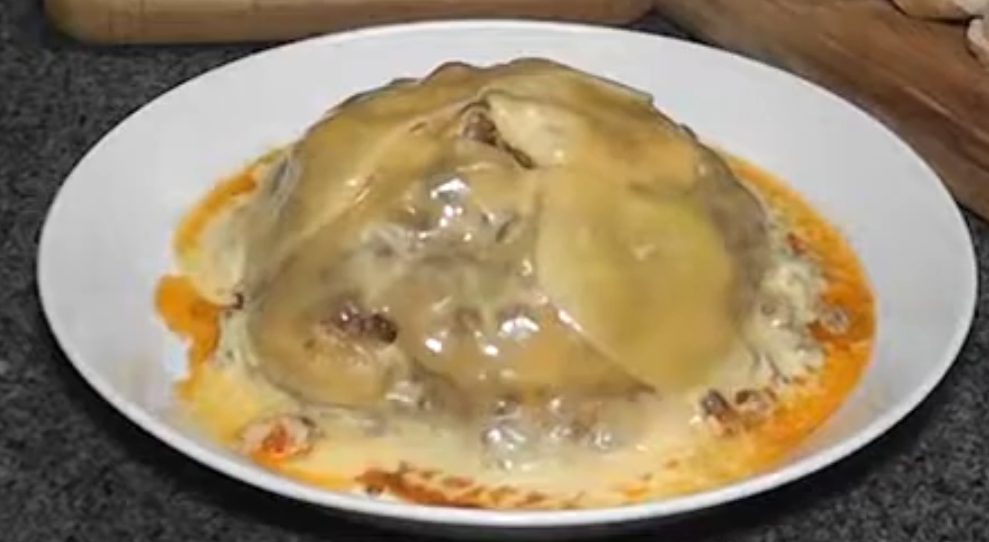
Lunch stews bring stoba, goat or beef stewed with spices, funchi, cornmeal polenta served in slices and sometimes fried, and fried fish with plantain. For breakfast there is pastechi, a fried pastry filled with cheese, meat or tuna, sold at every bakery.


Where to eat: Plasa Bieu in Punda is the essential Creole lunch, with shared tables and low prices. At night, the Pietermaai district next to Punda gathers restaurants and bars in restored mansions, and late at night the truk'i pan, food trucks parked downtown, serve meat sandwiches and fried fish until the small hours. In Westpunt, clifftop restaurants serve the catch of the day with a sunset view.
What to avoid: the Punda waterfront restaurants aimed at cruise passengers, with postcard prices and generic food, and sopi di yuana, iguana soup, unless you want a surprise: it is a traditional dish and appears on local menus.
Is 6 days enough for Curaçao?
Yes. Six days cover Willemstad at an easy pace, a full day on Klein Curaçao and the western beaches and parks, sleeping close to them. What gets left out is scuba diving, which in Curaçao is done from shore at dozens of sites, Blue Bay and the south coast beaches between Willemstad and Porto Mari, which need another day or two.
To add more of the Caribbean region to the same trip, pair it with our Panama itinerary, the most common stopover on flights from Latin America, or look at our Dominican Republic itinerary. To adjust dates and hotels, save this itinerary on Galmund.
Estimated budget per person
Prices checked on 22 September 2026. Check current prices at Christoffelpark, opening hours and fees · Shete Boka National Park, opening hours and fees · Government of Curaçao, Digital Immigration Card (free).
Frequently asked questions
Do I need a visa for Curaçao?+
Citizens of the US, Canada, the EU, the UK and many Latin American countries do not need a visa for tourism, only a valid passport, a return ticket and proof of accommodation. Everyone must complete the free Digital Immigration Card on the official portal dicardcuracao.com within seven days of the flight. Be wary of sites that charge for it.
How much does a 6 day trip to Curaçao cost?+
Between 900 and 1,600 US dollars per person, excluding flights, covering a mid-range double room, food, a rental car shared by two, the Klein Curaçao trip at 100 to 130 dollars, and the Christoffel and Shete Boka entry fees of 15 dollars each.
Do you need a car in Curaçao?+
In practice, yes. The best beaches and the national parks are in the west, 40 to 50 minutes from Willemstad, buses are rare and taxis are expensive. Rental runs 45 to 70 dollars a day, driving is on the right and roads are good. You can only manage without one if you stay in Willemstad and book transfers for every trip.
Is Klein Curaçao worth it?+
Yes, if the sea is calm. It is a deserted islet with a white sand beach, an abandoned lighthouse, a shipwreck and turtles on the reef, and the full-day trip costs 100 to 130 dollars with lunch. The crossing takes about 1h30 and is often rough on the way out, so bring seasickness tablets. Boats cancel on rough days.
Where to stay in Curaçao?+
In Willemstad, in Punda or Pietermaai, to walk the historic centre and eat out, and in Westpunt, at the western tip, to be close to Kenepa, Piskado, Christoffel and Shete Boka. The Jan Thiel area, east of the capital, is the resort and beach club option, near the marinas where the Klein Curaçao boats leave.
Ready to go?
Save this itinerary to your Galmund and take the schedule, map and budget with you. Edit, share and track it all on the globe.
Save this itinerary to my GalmundBeen there already?
Pin this trip on your globe and keep your photos where they were taken.
Pin it on my globe